The Total Guide to Discovering Your Regional Meat Market: Benefits and Offerings
Discovering a local meat market can reveal a variety of benefits that prolong beyond mere shopping. These markets commonly give fresher and extra diverse choices compared to conventional food store. They also present an opportunity to engage with experienced personnel who can guide clients in their options. The advantages don't stop there. Recognizing the wider effects of local sourcing may transform the means one comes close to meat consumption completely. What other understandings await those going to explore?
Recognizing the Worth of Local Sourcing
Lots of consumers may overlook the advantages, neighborhood sourcing in meat markets offers considerable benefits that extend beyond plain comfort. By purchasing meat from regional providers, customers often delight in fresher products, as these meats are usually refined and offered more rapidly than those sourced from distant farms. This quality not just enhances taste but also supports better dietary value
Moreover, regional sourcing contributes to the regional economic climate, assisting small farmers and businesses thrive while minimizing the carbon footprint connected with long-distance transport. Customers can likewise acquire a deeper understanding of the sourcing techniques, promoting a link to the local agricultural community. This transparency commonly causes greater animal welfare criteria, as neighborhood producers are more probable to implement honest methods. Inevitably, choosing in your area sourced meats empowers customers to make informed choices that profit both their wellness and their community, developing a much more lasting food system.
Exploring Distinct Cuts and Specialty Meats
Regional meat markets frequently include one-of-a-kind cuts and specialized meats that might not be found in larger supermarket. These artisan offerings can consist of rare ranges, showcasing the variety of local animals. Discovering these choices allows customers to find new flavors and support regional farmers.
Local Artisan Offerings
What distinct flavors and textures await at a neighborhood meat market? Neighborhood artisan offerings provide a range of distinctive cuts and specialty meats that deal with varied culinary preferences. From heritage types to dry-aged beef, customers can discover top quality items not commonly discovered in grocery stores. Artisan butchers frequently concentrate on ethical and lasting sourcing, making sure that meats are elevated humanely and with treatment. Distinct prep work, such as house-made sausages and charcuterie, display the abilities and imagination of neighborhood artisans, welcoming expedition and experimentation in home food preparation. Additionally, seasonal offerings highlight regional tastes, permitting customers to get in touch with their community and assistance local business. Accepting these craftsmen products can raise any meal and improve the general eating experience.
Rare Meat Selections
Discovering the offerings at a community meat market reveals an appealing choice of rare meat varieties that can boost cooking experiences. Distinct cuts such as bison ribeye, lamb neck, and goat shoulder deal consumers the possibility to trying out flavors and appearances that vary from conventional meats (bagley meat market edwardsville il). Specialized items like venison, swine, and even game birds give a preference of the unique, appealing to adventurous tastes buds. Additionally, these markets usually source sustainably raised animals, making certain quality and ethical methods. Educated butchers can recommend cooking methods and pairings, boosting the total eating experience. By accepting these rare varieties, home chefs can develop unforgettable meals that celebrate diverse cooking customs and showcase the splendor of local farming
The Relevance of Sustainability in Meat Manufacturing
Sustainability in meat manufacturing plays a necessary duty in forming honest farming practices and lowering environmental effect. By prioritizing neighborhood sourcing, consumers can sustain ranches that prioritize animal well-being and sustainable techniques. This emphasis not only profits the ecosystem yet additionally cultivates a more powerful connection between manufacturers and their communities.
Ethical Farming Practices
Just how do ethical farming techniques add to an extra lasting meat production system? These methods prioritize animal welfare, making certain that livestock are elevated in gentle problems. By providing animals with sufficient space, access to field, and an all-natural diet regimen, moral farming boosts their wellness and health, resulting in higher-quality meat products. Honest ranches usually execute rotational grazing and various other sustainable techniques that promote dirt wellness and biodiversity. This strategy minimizes reliance on artificial inputs and assists keep regional ecological communities. Furthermore, ethical farming promotes a link in between producers and consumers, encouraging transparency and liability in the food supply chain. Inevitably, these methods not just benefit pets yet additionally add to an extra sustainable and resilient farming system.
Environmental Effect Reduction
As the need for meat continues to increase, the significance of minimizing ecological effects in meat manufacturing comes to be progressively apparent. Traditional meat production is linked to substantial greenhouse gas exhausts, logging, and water depletion. Sustainable techniques, such as rotational grazing and integrated crop-livestock systems, can alleviate these effects by advertising soil wellness and minimizing reliance on chemical inputs. In addition, buying neighborhood meat markets encourages producers to adopt green techniques, as customers increasingly focus on sustainability. By selecting meat resources that prioritize pet welfare and ecological stewardship, individuals can add to a more sustainable food system. Ultimately, comprehending the ecological implications of meat manufacturing equips consumers to make enlightened selections that support both their health and wellness and the world's health.
Neighborhood Sourcing Advantages
While several consumers may not understand it, neighborhood sourcing of meat greatly improves sustainability in food manufacturing. By supporting neighborhood ranches, customers minimize the carbon impact related to long-distance transport. Furthermore, neighborhood meat producers typically utilize a lot more gentle and eco-friendly practices contrasted to large commercial procedures. This approach cultivates biodiversity and promotes animal well-being. Local sourcing enhances the regional economic situation by keeping funds within the neighborhood and encouraging lasting agricultural methods. It additionally enables customers to establish a deeper link with their food resources, cultivating openness in manufacturing techniques. Eventually, focusing on regional meat not just advantages private health yet additionally contributes positively to ecological sustainability, making it a responsible choice for diligent consumers.
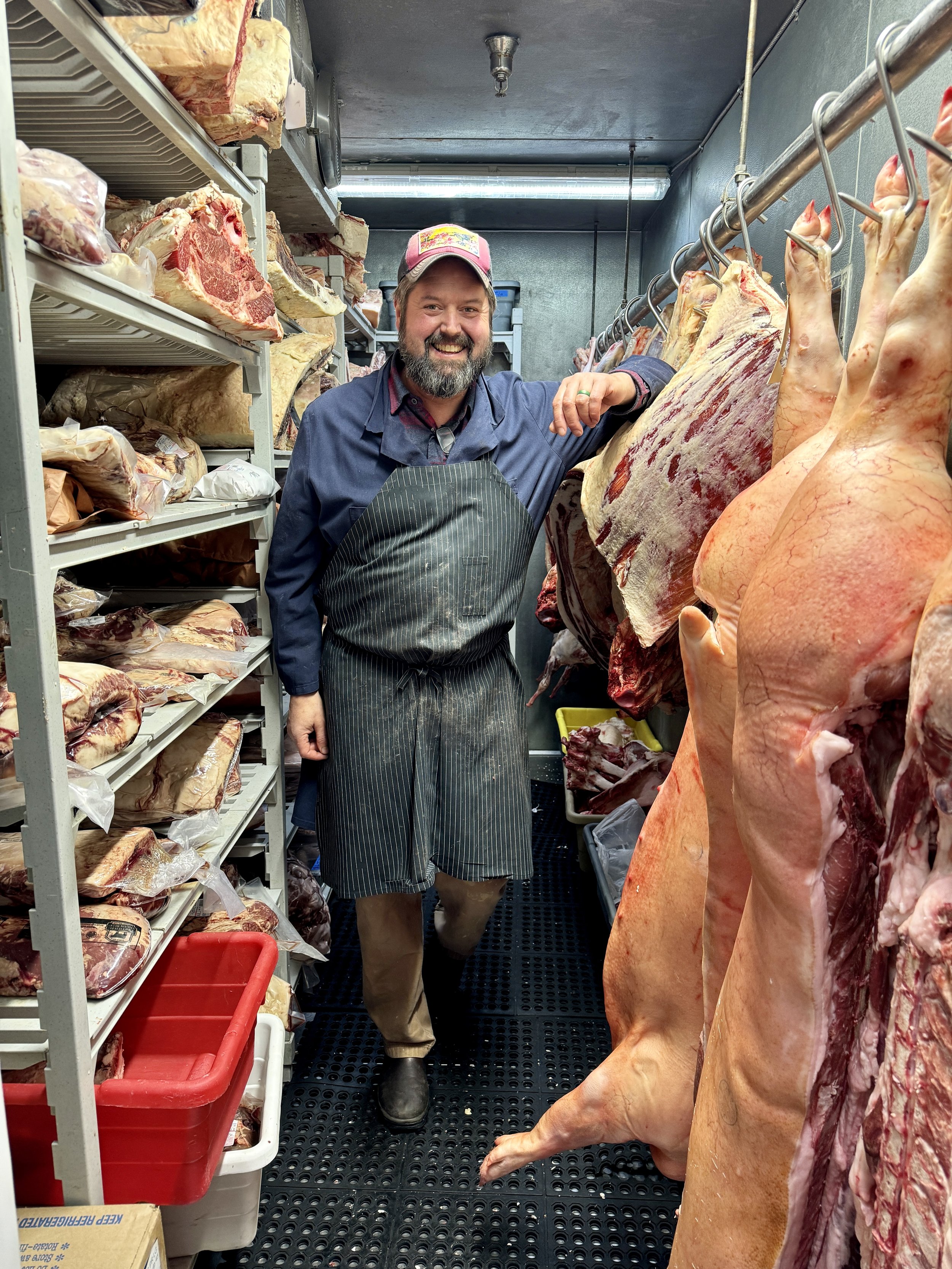
Structure Relationships With Your Butcher
Constructing a connection with a regional butcher can significantly enhance the meat-buying experience. Establishing a link fosters depend on, permitting consumers to look for individualized referrals tailored to their cooking demands. An experienced butcher can provide insights into the very best cuts for certain recipes, prep work techniques, and cooking times, changing a straightforward shopping journey into an instructional experience.
Routine communications can lead to exclusive offers or accessibility to specialty things not readily available to the general public. A butcher that knows their consumers is most likely to focus on top quality and quality, guaranteeing complete satisfaction with every acquisition. In addition, this relationship can inspire a sense of community, as customers feel more linked to the regional food network. Involving with a butcher not only enriches the consumer's understanding of meat products but additionally supports local businesses, producing a mutually helpful partnership that prospers on count on and top quality solution.
Tips for Selecting the very best Meats
When choosing the ideal meats, customers must focus on numerous key variables that assure both top quality and taste. First, quality is important; meat should have a lively color and a clean, enjoyable scent. Consumers need to additionally take a look at the marbling, as intramuscular fat improves inflammation and flavor. Additionally, recognizing the cut is necessary; various cuts serve numerous cooking methods and meals, so understanding the planned use can guide selections successfully.
An additional important aspect is sourcing; buying from regional butchers or reliable vendors often implies greater quality criteria. Customers must inquire regarding the meat's beginning and any kind of practices associated to animal well-being or feeding. Examining for correct product packaging and storage space at the market can indicate just how well the meat has been cared for. By thinking about these aspects, consumers can make enlightened decisions that bring about a more rewarding cooking experience.
Supporting Neighborhood Economic Situations and Communities
Supporting regional click here economic climates and communities is an often-overlooked benefit of shopping at regional meat markets. When customers pick to buy from these facilities, they contribute directly to the income of regional farmers, herdsmans, and craftsmens. This support cultivates a sustainable farming system and reinforces regional economies, as cash spent locally often tends to flow within the community, creating work and enhancing regional infrastructure.
Additionally, regional meat markets often resource their items from close-by ranches, minimizing transportation costs and carbon footprints. This not only advertises environmental sustainability but also permits customers to delight in fresher, higher-quality meats.
Furthermore, these markets usually participate in community efforts, such as funding regional occasions or supporting food banks. By focusing on regional meat markets, customers play a crucial duty in supporting their communities and making certain the survival of small services, which inevitably improves the social fabric of the area.
Regularly Asked Concerns

What Are the Normal Operating Hours of Regional Meat Markets?
Typical operating hours for local meat markets typically differ, yet lots of open between 7 AM and 9 AM, closing in between 5 PM and 7 PM. Some may likewise supply extended hours on weekends for benefit.
Do Regional Meat Markets Deal Distribution Providers?
Lots of neighborhood meat markets do use delivery solutions, although schedule differs by location. Consumers must inquire straight with their regional market to confirm whether this service is provided and any type of involved fees or problems.
Are There Vegetarian Options Available at Meat Markets?
Several regional meat markets do provide vegetarian options, such as plant-based sausages, marinaded vegetables, and specialized cheeses. These options accommodate varied dietary preferences, appealing to both meat enthusiasts and those seeking meat alternatives.
How Can I Locate a Local Meat Market Near Me?

To locate a neighborhood meat market, one can browse online with directories or maps, ask neighbors for referrals, or check out neighborhood farmers' markets that typically include vendors focusing on meat items.
What Payment Techniques Do Neighborhood Meat Markets Accept?
Regional meat markets commonly approve various repayment techniques, including debt, debit, and cash money cards. Some might additionally offer mobile repayment choices or commitment programs, boosting ease and motivating repeat organization amongst their consumers.
By purchasing meat from local distributors, customers typically take pleasure in fresher items, as these meats are commonly refined and offered more quickly than those sourced from far-off farms. Neighborhood meat markets typically feature special cuts and specialty meats that may not be located in larger grocery store shops. Checking out the offerings at a neighborhood meat market discloses an interesting choice of uncommon meat ranges that can boost culinary experiences - meat delivery near me. As the need for meat proceeds to rise, the relevance of decreasing ecological influences in meat production comes to be progressively evident. Supporting regional economic climates and areas is an often-overlooked advantage of purchasing at local meat markets